



Blog
What You Need to Know About Claims for Hospital-Acquired Infections
Filed under Medical Malpractice Published on November 18, 2022 and updated on July 20, 2026.
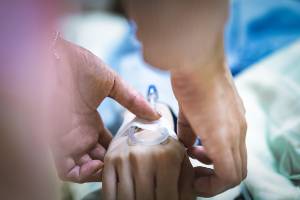 One of the dangers of surgery or other invasive procedures is infection. If an infection is not caught early, there is a risk of sepsis, septic shock or even death. Even if doctors catch it in time to slow it down and stop it, infections can complicate your recovery and lead to more pain and suffering than you would have otherwise had.
Can I file a malpractice claim for a hospital-acquired infection?
Yes. You can pursue a malpractice claim if a hospital failed to follow accepted infection control standards and that failure caused a preventable infection and resulting harm. Liability depends on proving negligence and showing a direct link between the breach of care and the infection.
While there are various reasons why an infection can develop, sometimes it is the result of medical malpractice. Doctors or other medical professionals may not have followed the proper protocols to keep the environment clean and sanitary. The hospital may not have had the proper procedures to keep things clean and reduce the risk of an infection.
If you think your infection was caused by negligence, contact The Law Offices of Peter T. Nicholl today to discuss potential legal options. We have taken on a variety of medical malpractice cases and have obtained millions on behalf of our clients, including results of $7 million, $5 million and $4.5 million.
Our services come at no upfront cost, which includes the initial consultation with a Baltimore medical malpractice lawyer. We are ready to help because we know how medical malpractice injuries can upend peoples’ lives.
Call Peter T. Nicholl Law Offices today: 410-401-9979.
Why Do Infections Occur at Hospitals
Infections are not always caused by lack of cleanliness or the failure of hospital staff to wash their hands or replace bandages. Sometimes patients develop infections because they have risk factors. There are also times when infections are more likely to develop because a patient has a severe illness or has stayed in the hospital for a long time.
However, hospitals are required to take reasonable steps to help prevent the spread of an infection. For example, hospitals need to make sure their air conditioning system is filtering the air properly. Some of the other steps include:
- Ensuring the water is clean
- Using sterile equipment
- Cleaning surfaces
Doctors, nurses and others in the hospital need to keep their hands clean before, during and after working with patients. Hospitals have protocols for how often hands must be washed and sanitized. If these protocols are not followed, infections may be more likely to occur.
When an invasive procedure is underway, staff members must make sure the equipment and tools they use are clean. For example, catheters and IVs need to be sterile. These materials also need to be safely disposed of after use to prevent the spread of an infection.
While infections may be more likely to occur during invasive procedures, they can occur at other times. If tools or other materials are not clean or a doctor or nurse did not wash his or her hands, an infection could occur during a minor procedure or even routine treatment.
Types of Hospital-Acquired Infections
Some of the most common infections that happen at hospitals and other medical facilities include:
Staph Infections
This is an infection with the bacteria called staphylococcus. Staph infections usually start on the skin, but they can spread into your bloodstream and:
- Joints
- Bones
- Heart
- Lungs
- Brain
There are many ways a staph infection can spread in a hospital. For example, you could get this infection from a catheter, IV or breathing tube. If you have a pressure sore or surgical wound you may be at higher risk for contracting a staph infection, like MRSA.
Often, staph infections are spread through skin-on-skin contact between an infected person and someone else. You could also contract the infection by touching things that have been contaminated, such as objects or surfaces.
Medical Device-Related Infections
If hospital staff do not keep medical devices clean, they can become contaminated before they are used on patients. This includes devices like syringes, catheters, IV bags, respirators or ventilators. Doctors, nurses and others need to make sure their hands are clean before handling these devices. They need to wash their hands regularly and make sure to change their gloves when appropriate.
Infections Around Surgical Sites
These are infections at the surgical site where you were cut open. Doctors may not have done a good enough job keeping the area clean while they were operating. They may have used tools that were unclean. There are also times when hospital staff does not keep the area clean after surgery, while the patient is recovering.
Respiratory Infections
These infections may be caused by contaminated breathing tubes or ventilators. The air conditioning system might not be filtering the area properly to eliminate contaminants.
Urinary Tract Infections
When patients need to use catheters there is a much higher risk of a urinary tract infection. These infections could involve a variety of bacteria, such as E. coli. The infection can spread from the urethra to your kidneys.
Infections in the Bloodstream
These infections may start off in a cut or surgical wound and find their way into the bloodstream. These infections can be extremely dangerous because the bloodstream can carry an infection to your vital organs.
Dangers of Hospital-Acquired Infections
If an infection is caught early, doctors may be able to treat it with antibiotics and everything will be fine. However, if an infection is not caught soon enough, there is a risk of sepsis. This condition could damage your internal organs, cause organ failure or severely complicate your recovery from your medical procedure. There is also a risk of death.
Proving the Source of an Infection
This can be quite a challenge because there are so many ways for a patient to develop an infection. It will take a thorough investigation to find out who caused the infection and how you contracted it. Your lawyer will need to determine all the people you were in contact with and what treatment they provided to you. This includes things like:
- Drawing blood
- Checking wound dressings
- Inserting an IV
- Performing surgery
- Assisting a patient with toileting
- And more
Your attorney will need to work backward from when you were diagnosed with an infection to determine when it started.
Doctors, nurses and other health care providers are often the ones held liable for damages caused by medical malpractice. However, it may be possible to hold a hospital liable as well. For example, the hospital could be held vicariously liable for the actions of its employees. It depends on whether the doctor or other worker who caused your infection was an employee of the hospital or an independent contractor.
If you develop an infection that is diagnosed during your stay at the hospital or within one to two days of leaving the hospital, you can be certain you contracted the infection at the hospital. It is important to contact an experienced attorney to discuss your legal options.
Frequently Asked Questions About Hospital-Acquired Infection Malpractice Claims
Can a hospital-acquired infection be medical malpractice?
Yes, a hospital-acquired infection may be medical malpractice if it resulted from poor infection control, unsafe procedures or failure to follow accepted medical standards. Liability depends on whether the infection was preventable and whether the facility’s conduct caused additional harm. The Law Offices of Peter T. Nicholl can review whether negligence contributed to the infection.
What makes a hospital infection legally preventable?
A hospital infection may be legally preventable when proper sanitation, sterilization, wound care, catheter care or isolation procedures would likely have avoided it. In a malpractice claim, the issue is whether providers failed to follow the standard of care. Preventability often depends on medical records, infection timing and expert review.
What types of hospital-acquired infections may support a lawsuit?
Infections involving surgical wounds, IV lines, catheters, ventilators, sepsis, MRSA or C. diff may support a lawsuit if negligence caused or worsened the condition. The legal focus is whether the hospital failed to prevent, identify or treat the infection in a timely manner. The Law Offices of Peter T. Nicholl can evaluate how the infection developed.
Can a hospital be liable for poor infection control?
Yes, a hospital may be liable if poor infection control practices exposed a patient to preventable infection. Liability may involve unsanitary equipment, improper hand hygiene, contaminated instruments, unsafe wound care or failure to isolate infectious patients. The key question is whether those failures caused the patient’s infection and resulting harm.
What evidence is needed to prove a hospital-acquired infection claim?
Evidence may include hospital records, lab cultures, wound care notes, surgical records, medication logs, infection control reports and expert medical opinions. These records help show when the infection appeared, how it was treated and whether earlier prevention or intervention was required. The Law Offices of Peter T. Nicholl can identify records that may support causation.
Can delayed treatment of a hospital-acquired infection be malpractice?
Yes, delayed treatment of a hospital-acquired infection may be malpractice if providers failed to recognize symptoms or respond with appropriate antibiotics, testing or escalation of care. Legal responsibility depends on whether the delay allowed the infection to spread or become more severe. Delayed treatment may lead to sepsis, organ damage or death.
When should I contact a lawyer about a hospital-acquired infection?
You should contact a lawyer when an infection developed during or after hospitalization and caused serious complications, extended treatment or permanent harm. Hospital-acquired infection claims often require review of medical timelines, lab results and infection control practices. The Law Offices of Peter T. Nicholl can assess whether the infection was linked to negligence.
What damages may be recovered for a hospital-acquired infection?
Damages may include additional medical bills, extended hospitalization, lost income, pain and suffering, future treatment costs and reduced quality of life. The value of the case depends on the severity of the infection and whether negligence caused lasting harm. In severe cases, infection malpractice may also involve wrongful death damages.
Peter T. Nicholl Law Offices is Ready to Help Malpractice Victims
Are you or a loved one a victim of medical malpractice?
One of the most important steps for victims to take is meeting with a licensed attorney to discuss what to do next.
At The Law Offices of Peter T. Nicholl, there are no upfront costs. We do not get paid for representing you unless you receive compensation.
Call today. We are ready to help during this difficult time. 410-401-9979.
Related Resources
- Hospital liability for medical malpractice
- Post-operative care malpractice claims
- Preventable medical errors and “never events” claims

