



Blog
Who Is Liable When a Tractor-Trailer Jackknifes on Icy Roads in Baltimore?
Posted on behalf of Peter T. Nicholl in Car Accidents Published on January 6, 2026 and updated on February 20, 2026.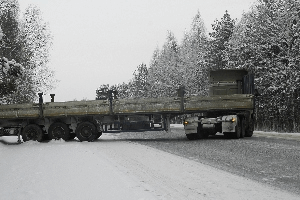 When a tractor-trailer jackknifes on an icy road, it can sweep up multiple vehicles in seconds. These crashes cause catastrophic injuries and significant damage. Baltimore’s freezing winter weather complicates rescue efforts, making it harder for emergency crews to reach the crash scene. Injured victims exposed to freezing conditions can deteriorate quickly without immediate medical care.
Despite truck driver negligence, insurance companies will likely try to argue that winter weather or black ice caused the crash. But Maryland law does not excuse unsafe driving or poor trucking practices, even in icy conditions.
At The Law Offices of Peter T. Nicholl, we handle truck accident cases throughout Baltimore and Maryland. We know exactly what arguments insurance companies will try to use, and how to push back effectively. Deadlines apply, and evidence disappears fast if no legal action is taken to preserve it.
Call our Baltimore law firm for a FREE case review today.
We are ready to help! 410-244-7005
Who Do I Sue if a Tractor-Trailer Jackknifes on Black Ice and Hits My Car in Baltimore?
After a jackknife crash, victims may assume the truck driver is the only party responsible. But truck accidents are different from crashes involving two smaller passenger vehicles. Liability for a truck accident may often be broader, involving multiple parties.
A semi-truck that jackknifes on an icy road may trace back to decisions made long before the truck driver lost control of the vehicle. Unsafe schedules, inadequate training, poor maintenance, or unstable cargo can all be contributing factors in the crash that injured you.
Depending on the facts, other responsible parties for the truck accident that injured you may include:
- The truck driver
- The truck owner or trucking company
- A maintenance contractor
- The third-party cargo loader
At The Law Offices of Peter T. Nicholl, our experienced truck accident lawyers in Baltimore thoroughly investigate events leading up to the crash. We identify every liable party who may have contributed to the accident that injured you.
How Can a Trucking Company Be Blamed for a Jackknife Truck Accident in Maryland?
Trucking companies play a significant role in jackknife crashes, because they control the conditions under which their truck drivers operate. This includes delivery deadlines, route planning, vehicle maintenance, and safety policies.
Here are a few examples of how a trucking company may be liable for the crash that injured you:
- Pressuring their driver to “keep the pace” and meet deadlines — despite icy road conditions.
- Failing to maintain brakes, tires, or trailer systems that are critical for stability on slippery roads.
- Improperly loading cargo — uneven or unsecured cargo can shift when a driver brakes, increasing the risk of the trailer swinging out of control.
- Inadequate training of truck drivers who don’t know how to handle large commercial trucks — especially on slick roads.
Maryland law allows injured victims to hold trucking companies accountable when their decisions contribute to a crash. But these cases require early investigation before electronic records are overwritten, or vehicle damage gets repaired.
What If a Jackknife Truck Accident Leads to a Multi-Vehicle Pileup?
Jackknife crashes can trigger chain-reaction collisions, especially on wet, snowy, or icy roads. When a trailer blocks lanes or sweeps across traffic, other drivers have little time to react, especially on roads that are already hazardous due to the weather. This scenario can result in multiple secondary crashes.
In a multi-vehicle pileup, assessing liability is a lot more complex. The key legal question is not who was hit last, but what caused the initial loss of control.
Insurance companies will try to reduce their liability by shifting blame among multiple drivers. We conduct a thorough investigation that focuses on the sequence of events and the negligence that initially led to and caused the truck to jackknife and lose control.
At The Law Offices of Peter T. Nicholl, we may consult with an accident reconstruction specialist to determine the exact cause of a complex truck crash. We take immediate steps to preserve evidence before it gets overwritten, lost, or damaged.
Can the Truck Driver or Insurance Company Get Away With Blaming the Icy Roads?
No. Severe weather is a common defense raised in winter truck accident cases. But claims from insurance companies arguing that black ice made the crash unavoidable are misleading.
Maryland law requires drivers, especially commercial drivers who are held to a higher standard of safety, to adjust their driving to road conditions. This legal duty requires truck drivers to:
- Reduce their driving speed
- Increase the following distance
- Brake cautiously
A truck driver who loses control on black ice may still be deemed negligent if they were driving too fast for conditions or failed to operate the vehicle safely. Weather does not eliminate a driver’s legal duty of care.
Federal Law Gives Truck Drivers the Right to Refuse Unsafe Trips
Federal Motor Carrier Safety Administration (FMCSA) regulations protect truck drivers who refuse to operate in dangerous conditions. Under 49 CFR § 392.14, drivers have the legal right to refuse to drive when weather or road conditions make it unsafe. Employers cannot force them to drive, and they cannot retaliate against drivers who refuse.
Why This Federal Protection Exists
This regulation exists because driving a commercial truck in hazardous winter weather puts everyone at risk. When black ice covers Baltimore roads or visibility drops during snowstorms, professional drivers are supposed to stop and wait for safer conditions. The law backs up that decision.
The Reality of Pressure and Coercion in the Trucking Industry
Many trucking companies pressure drivers to ignore these protections despite what federal law allows. Common coercion tactics include:
- Tight Delivery Deadlines: Schedules that punish weather-related delays
- Job Security Threats: Implied or direct threats of termination for refusing trips
- Income Pressure: Reducing routes or hours for drivers who prioritize safety
- Workplace Culture: Environments where saying “no” means losing opportunities. Drivers may feel forced to choose between safety and job security.
Why Trucking Companies Cannot Hide Behind Safety Rules
Trucking companies cannot escape liability by claiming their driver had the right to refuse but chose to drive anyway. At The Law Offices of Peter T. Nicholl, we investigate whether companies created pressure that led to unsafe decisions. When we find evidence of coercion, we hold companies accountable. A safety rule does not shield companies that prevent drivers from following it.
How We Challenge Weather-Based Arguments for a Truck Accident in Baltimore
When insurance companies argue weather caused the crash, we push back with evidence showing the truck driver’s behavior and other factors. Police reports are important, but they only provide snapshots. They cannot capture critical details like truck speed, braking patterns, or cargo stability. Electronic data can be lost quickly if not preserved.
Critical evidence we obtain and examine after a jackknife truck accident case includes:
- Black Box Data: Establish whether the driver was negligent — such as speeding given the conditions or braking improperly.
- Driver Logs: Reveal whether fatigue or violations may have impaired judgment during already dangerous driving conditions.
- Maintenance Records: Show whether the company put off doing critical maintenance and safety repairs.
- Crash Scene Evidence: Provide more insight into how the jackknife occurred and whether speed was excessive.
- Video Footage: May capture the driver’s actions prior to the crash.
- Weather Reports: Provide exact weather conditions at the time to prove the driver should have adjusted behavior accordingly.
- Communications: May expose company pressure to meet deadlines despite severe weather warnings.
- Witness Statements: Provide independent, unbiased accounts of the truck’s speed and driving behavior before jackknifing.
- Training Records: Reveal whether the company adequately prepared drivers for winter conditions
- Cargo Documentation: Reveals whether improper loading created weight imbalances and trailer instability.
Evidence Disappears Quickly After a Jackknife Truck Accident: What We Do to Preserve It
Critical evidence in truck accident cases has an incredibly short lifespan. Under FMCSA rules, the retention period for electronic logging device (ELD) data and driver records is just six months.
This time limit changes once companies anticipate a lawsuit is pending, and they receive a spoliation letter from your attorney. This legal action requires them to preserve evidence — including the truck itself and data.
Without legal notice to preserve evidence, companies may follow standard retention schedules. This means crucial data may get overwritten, and records may be purged. Crash scene conditions change even faster due to the weather.
At [firm-name], we take immediate action to preserve critical evidence that supports your claim:
- Send Spoliation Letters: Forces the trucking company to preserve evidence.
- Download Black Box Data: Retrieve electronic control module records showing speed, braking, and driver actions.
- Secure Maintenance Records: Retrieve the truck’s brake inspection reports, tire service logs, and repair history.
- Collect Scene Evidence: Obtain photographs of road conditions, skid marks, and vehicle damage taken before the crash scene was cleared away or before winter weather “erased” evidence.
- Obtain Video Footage: Request dash cam, traffic camera, and surveillance recordings before they are deleted — often this footage gets overwritten in days to weeks.
- Gather Weather Data: Document specific conditions at the time and location of the crash.
- Interview Witnesses: Record statements from credible witnesses while their memories are fresh, and they are still available.
- Preserve Communications: Subpoena dispatch messages and company emails that show pressure was applied or policy violations occurred.
Every day you wait increases the risk that critical evidence will be lost. Contact our Baltimore office to speak with an attorney who can explain your options at no cost or risk to you.
FAQs About Jackknife Truck Accidents
Can I still sue after a truck accident if the road was icy?
Yes. Icy roads do not eliminate liability in Maryland. Commercial truck drivers must adjust speed, increase following distance, and brake carefully in winter conditions. If the driver or trucking company failed to meet this higher standard of care, you can pursue compensation regardless of the weather conditions.
What happens when a truck jackknifes?
A truck jackknifes when the trailer swings out from the cab, forming a V or L shape — like a pocketknife. This happens when drivers brake too hard on slippery roads, drive too fast for conditions, or when mechanical failures occur. The trailer can sweep across multiple lanes and cause multi-vehicle pileups.
Who decides who is at fault for a jackknife truck accident?
Insurance companies investigate and make initial fault determinations. Police document the scene and cite violations. Accident reconstruction experts analyze evidence and data. If the case goes to court, a judge or jury makes the final liability decision based on all evidence presented.
How soon should I contact a lawyer after a jackknife truck accident in Maryland?
Contact a lawyer as soon after a crash as possible. Black box data gets overwritten quickly. Scene evidence disappears with weather changes. Witnesses become harder to find. While Maryland gives you three years to file a lawsuit, waiting even weeks can destroy critical proof needed to win your case.
Need Legal Help After a Maryland Truck Accident? Call Our Baltimore Law Firm Today
When a tractor-trailer jackknifes on icy Baltimore roads, it can be challenging to determine the cause and who may be at fault. But regardless of the weather, drivers are not excused from negligence and can still be held liable for your damages.
While multiple parties may share responsibility, critical evidence quickly disappears in hours, days, and weeks that follow. Remember that under Maryland’s harsh contributory negligence rule finding even one percent liability on your part can fully eliminate your ability to recover compensation. This is why it is crucial that you seek legal help right away.
At The Law Offices of Peter T. Nicholl, we are ready to begin preserving crash scene evidence, your rights, and best interests from day one. Your consultation is free, but we strongly recommend taking early action to preserve evidence and protect your case.
Worried if you can afford to hire a lawyer? Don’t be — there are no upfront attorney fees or out-of-pocket costs when we represent you.
Call our Baltimore law firm at 410-244-7005 today — before critical proof is lost forever.

