



Blog
Hip Pain After a Crash in Baltimore: Causes, Symptoms, and When to Seek Legal Help
Filed under Car Accidents Published on December 9, 2025 and updated on July 20, 2026.
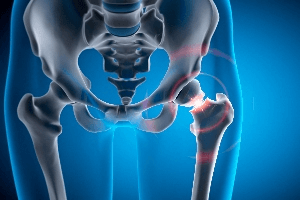 Hip pain after a car crash can have a significant impact on your long-term health and your legal claim. Especially, if you walk away from the accident feeling fine, only to wake up days later with sharp, debilitating pain in your hip. What you do in those critical first hours and days after the crash can determine whether you recover full compensation or lose your claim entirely.
Yes. Hip pain after a car accident can indicate serious injuries such as fractures, dislocations, or soft tissue damage, even if symptoms appear hours or days later. Prompt medical evaluation is important to diagnose the injury, document it properly, and establish a clear link to the crash for any potential claim.
At The Law Offices of Peter T. Nicholl, we know how to prove hip injury claims that insurance companies try to deny or minimize. We are prepared to guide you through the medical and legal steps that protect your right to compensation.
When you suffer a hip injury in a Baltimore car crash, you need a winning legal team. Contact our trusted law firm today for a free, no-risk evaluation of your case.
Don’t let your hip injury go uncompensated. Call for a free case review today. 410-244-7005
Can a Car Accident Cause a Severe Hip Injury?
Yes, and the force doesn’t need to be catastrophic. When another motorist hits your vehicle, your body absorbs tremendous impact even at moderate speeds. Your hip takes direct force from seatbelts, side panels, or the steering column, and the sudden twisting motion can damage bones, joints, and soft tissue instantly. If your knee hits the dashboard, it can cause your hip to become dislocated — an extremely painful injury.
We are not doctors, but we have managed countless car accident claims — enough to know that severe hip injuries can happen in all types of collisions. Whether you get hit at high speed on I-95, struck by a driver running a red light in downtown Baltimore, or rear-ended at a stoplight, the impact can be enough to fracture bones, dislocate your hip joint, or tear soft tissue. What feels like minor soreness today may actually be a serious internal hip injury that will continue to get worse without treatment.
What Are the Most Common Hip Injuries From Car Crashes?
Hip injuries from car accidents may range from painful bruising that heals on its own to severe fractures requiring immediate surgery. You need a medical evaluation, along with diagnostic testing — such as an MRI or X-ray — to find out exactly what type of injury is causing your hip pain.
The most common hip injuries we see after a car crash include:
Hip Fractures
A broken hip bone is one of the most serious injuries you can sustain in a collision. If you fracture your hip, you will likely feel immediate, and severe pain in your hip or groin area. You won’t be able to put weight on the affected leg, and the leg may even appear to be shorter or turned outward at an awkward angle.
Hip Dislocations
If the ball of your hip joint gets forced out of its socket during impact, you have a dislocation. A dislocated hip causes intense pain, visible deformity, and you will not be able to move your leg. You may also experience numbness or tingling if the dislocation compresses any nerves in the area.
Labral Tears
Tears to the labrum – the soft rubbery ring that surrounds and cushions the hip joint — can often go undiagnosed initially. You might notice a catching or locking sensation in your hip with this injury, along with groin or hip pain that gets more intense with activity, and stiffness that limits your range of motion.
Hip Bursitis
The fluid-filled sacs that cushion your hip can become inflamed from the impact of a crash. Symptoms include pain in the outer hip that’s worse at night, tenderness when pressing on the hip, and pain that increases when climbing stairs or getting up from a seated position.
Soft Tissue Damage
Muscles, tendons, and ligaments around your hip can stretch or tear during a collision. With this type of hip injury, you may experience pain that develops gradually, swelling around the hip area, making it harder for you to perform normal daily activities like walking or bending.
Can Hip Injuries From a Car Accident Have Delayed Symptoms
Yes, and this is where many Baltimore injury claims can fall apart. Because adrenaline masks pain immediately after a crash, victims may not go to the hospital right away or get any type of medical evaluation. But some hip injuries, like labral tears or soft tissue damage, may not show any symptoms at all for hours or even days. Insurance companies will use this delay against you, claiming the injury happened after the accident or isn’t serious enough to warrant compensation.
Delayed hip injury symptoms include:
- Gradually Increasing Pain: Onset of pain that intensifies over the next 24 to 72 hours as adrenaline wears off and inflammation builds.
Stiffness That Worsens: Decreased range of motion, making it harder to walk or bend as days pass. - Clicking or Popping Sensations: Unusual sounds when moving your hip that weren’t present before the crash, indicating potential cartilage or labral damage.
- Radiating Pain: Discomfort radiating from your hip to your groin, lower back, or down your thigh, signaling nerve involvement or deeper tissue injury.
- Difficulty With Daily Activities: Tasks you performed easily before the accident — like climbing stairs, getting in and out of your car, or standing from a seated position — now cause significant pain.
- Swelling or Bruising: Visible signs of trauma appear days after the collision as internal bleeding and inflammation become apparent on the skin’s surface.
Steps to Take if You Have Hip Pain After a Car Accident in Baltimore
If you have hip pain after a car crash, you need to act quickly to protect both your health and your legal claim. What you do in the first 48 hours determines whether you will be able to prove your hip injury was caused by your car accident, or the insurance company successfully denies your claim.
- Get Immediate Medical Attention: Visit an emergency room or urgent care center in Baltimore even if the pain initially seems manageable. Your medical records date the incident and provide other critical details linking your hip injury to the accident that caused it.
- Tell Your Doctor About the Crash: Explicitly tell the ER doctor that you were involved in a car accident. Be sure to mention any hip pain you have, so it is documented in your medical chart.
- Document Your Hip Symptoms Daily: Write down pain levels, activities you can’t perform, and how your hip injury affects work and daily life, creating a timeline that proves ongoing suffering.
- Avoid Giving Recorded Statements: Insurance adjusters will ask leading questions about your hip pain to minimize your injury or catch inconsistencies before you fully understand your diagnosis.
- Don’t Post on Social Media: Photos of you standing, walking, or doing any activity can be used to argue your hip injury isn’t serious, even if you were in significant pain during that moment.
Contact a Baltimore Personal Injury Lawyer: At The Law Offices of Peter T. Nicholl, we can take immediate steps to preserve crash scene evidence and begin building a compelling case.
Evidence You Need to Seek Legal Compensation for Your Hip Injury
Insurance companies don’t just pay out compensation because you say your hip hurts. They need proof of how badly you are hurt and that your injury was directly caused by the crash. To protect their bottom line, they will scrutinize every gap in your medical treatment or lack of documentation to deny your claim.
We help Baltimore hip injury victims gather the specific evidence that forces insurance companies to pay full value, including:
- Police Accident Report: This official document establishes when and how the crash occurred, identifies the at-fault driver, creating a baseline record of the incident.
- Medical Records from Day One: Emergency room visits, diagnostic imaging like X-rays or MRIs, and specialist evaluations prove the severity of your hip injury and create an unbroken treatment timeline.
- Photographic Evidence: Images of vehicle damage, the accident scene, and visible injuries like bruising or swelling on your hip show the force of impact and physical trauma you sustained
- Witness Statements: Other drivers or passengers who saw the collision can verify events leading up to the crash or corroborate they saw you in immediate pain or having difficulty moving afterward.
- Lost Wages: Pay stubs, employer statements, and medical work restrictions demonstrate how your hip injury prevents you from earning income and performing your job duties.
- Treatment Expense Records: Bills from doctors, physical therapists, imaging centers, and pharmacies quantify the actual financial cost of treating your hip injury from the accident.
- Expert Medical Opinions: Orthopedic specialists and pain management doctors provide professional medical assessments that link your hip injury to the crash that caused it.
Why Seek Legal Help After a Car Accident for Your Baltimore Hip Injury Claim
Insurance companies know that hip injuries are expensive to treat and often require long-term care. Without a lawyer, you’re negotiating against trained adjusters whose job is to pay you as little as possible. We are prepared to handle the legal fight so you can focus on the hard work of healing.
At The Law Offices of Peter T. Nicholl, our experienced Baltimore car accident lawyers will investigate your crash, obtain medical evidence proving causation, and calculate the true value of your hip injury claim — including any future treatment costs.
Insurance companies increase their offers when they know your attorney is prepared to take your case to court — and our law firm is always ready to represent you in a trial.
Frequently Asked Questions About Hip Pain After a Car Crash in Baltimore
Can hip pain after a car crash support a legal claim?
Yes, hip pain after a car crash may support a legal claim if another driver’s negligence caused the collision and resulting injury. Legally, the claim must connect the crash to the hip injury through medical evidence, treatment records, and proof of damages. The Law Offices of Peter T. Nicholl can evaluate whether the facts support a claim.
What types of hip injuries can happen in a car accident?
Car accidents can cause hip fractures, dislocations, labral tears, bursitis, soft tissue injuries, nerve irritation, or aggravation of a prior condition. These injuries may affect walking, sitting, working, and daily activities. Medical diagnosis is important to prove the type of injury and connect it to the crash.
Why should I get medical care for hip pain after a crash?
You should get medical care because hip pain may indicate a fracture, joint injury, nerve issue, or soft tissue damage that may worsen without treatment. From a legal perspective, medical records help prove causation, injury severity, and damages. Delayed care may allow insurers to argue the injury was unrelated or not serious.
What evidence helps prove a hip injury from a car accident?
Helpful evidence may include emergency records, imaging studies, orthopedic evaluations, physical therapy notes, pain management records, crash photos, vehicle damage, and witness statements. Legally, this evidence helps show how the collision caused the hip injury and how the injury affected your life. The Law Offices of Peter T. Nicholl can review whether the documentation supports damages.
Can I recover damages for long-term hip pain after a car crash?
Yes, you may be able to recover damages for long-term hip pain if the crash caused ongoing limitations, treatment needs, or reduced ability to work. Damages may include medical expenses, future care, lost wages, pain and suffering, and loss of mobility. The value depends on liability, medical proof, and long-term impact.
What if I had hip problems before the accident?
You may still have a claim if the crash aggravated a pre-existing hip condition. Legally, the issue is whether the collision worsened your prior condition or caused new symptoms, limitations, or treatment needs. Medical records from before and after the crash can help distinguish prior problems from accident-related harm.
Can an insurance company dispute hip pain after a car accident?
Yes, an insurance company may dispute hip pain by arguing it was pre-existing, unrelated, delayed, or not severe enough to justify compensation. These arguments often focus on gaps in treatment, imaging results, and prior medical history. The Law Offices of Peter T. Nicholl can evaluate the evidence used to challenge causation and damages.
When should I contact a lawyer about hip pain after a Baltimore crash?
You should contact a lawyer if hip pain continues after a crash, medical treatment is needed, fault is disputed, or the insurance company questions your injuries. These claims may require proof of negligence, causation, medical damages, and future limitations. The Law Offices of Peter T. Nicholl can assess the claim before settlement discussions begin.
Our Trusted Baltimore Car Accident Lawyers Are Ready to Help You with Your Claim
Hip injuries from car accidents don’t resolve themselves, and insurance companies won’t pay you fairly without evidence. Every day you wait is another day for evidence to disappear. We have helped countless victims injured by Baltimore drivers recover compensation after a car accident, and we know exactly how to prove your pain is real and compensable.
The Law Offices of Peter T. Nicholl offer a free case review. This is where we evaluate your hip injury claim, explain your legal options, and outline the steps we recommend to maximize your compensation.
Worried about the cost of hiring a lawyer? Don’t be. We take injury cases on contingency, which means you don’t pay us anything up front or out-of-pocket. We only get paid if you do.
Your hip injury claim won’t wait.
Call our Baltimore car accident lawyers today.410-244-7005
Related Topics
- Chronic Pain After a Car Accident
- Shoulder Pain After a Car Crash in Maryland
- Key Factors That Affect a Car Accident Settlement

