



Blog
Why Police Reports Are Beneficial in Car Accident Cases
Filed under Car Accidents Published on April 24, 2020 and updated on July 20, 2026.
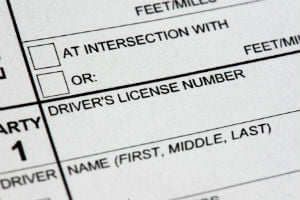 Regardless of how minor or severe your car accident is, it is important to contact the police to investigate the scene and file a police report. A police report will be needed if you choose to make a claim to pursue compensation for any injuries or property damage suffered, including vehicle repairs.
A police report can help a Maryland car accident claim by documenting important details such as the crash location, driver statements, witness information, injuries, vehicle damage, road conditions, and any citations issued. While the report may not always be admissible in court, it can help support insurance negotiations and guide further investigation.
If you have been harmed in a car accident, consult with one of our Baltimore car accident lawyers for legal help. Learn more about your rights and potential legal options in a free, no-obligation consultation.
Valuable Information in Police Reports
Police reports can contain helpful information and lead to evidence that could help you and your lawyer prove the cause of the car accident and your injuries – both of which are necessary in order to obtain the compensation you need. Valuable information often found in a police report includes the following:
- Basic details of the accident – At a minimum, the police report will contain the time, date and location of the car accident.
- Statements from the driver(s) – The responding offer will speak with you and the other driver to find out what happened and who may be potentially at fault for the car accident.
- Contact details from all involved parties – The report will include contact information from the other driver, his or her insurance company, and anyone who may have witnessed the crash.
- Narrative of events – The police report will contain the officer’s narrative of events leading up to and causing the car accident and his or her conclusions on the matter.
- Injuries and damages suffered – The responding officer will write down the injuries sustained from all involved parties as well as any damages to vehicles or other surrounding property.
- Weather or road conditions – The report may include important details about the weather or road conditions at the time of the accident that could have caused or contributed to the crash.
- Pictures and diagrams – Based on the severity of the car accident, the police report could include diagrams and pictures of the accident scene, vehicle damage, skid marks, and injuries.
- Traffic tickets – The responding officer will include any tickets or citations issued in the report, which could be used as evidence of a driver’s negligence.
How a Police Report Could Help a Case
There are several ways that a police report could help if you are pursuing a claim for compensation:
Negotiating Your Claim
When evaluating a claim, an insurance adjuster will look at the police report and the responding officer’s observations. You and your lawyer could use the police report to help convince the insurance adjuster that the other driver was at fault, which could make it more likely to obtain a favorable settlement.
Other Vital Evidence
Aside from conducting an independent investigation, the police report could help provide your lawyer with other vital evidence, such as additional witnesses to the crash or other potentially liable parties. The police report could even help a reconstruction expert hired to reenact the sequence of events.
Are Police Reports Admissible in Court?
In a court room, a police report is considered hearsay and therefore inadmissible in most cases. Police reports are often inadmissible because the responding officer did not personally observe the accident. Any notes written in a police report are taken from statements from others involved in the crash.
Although police reports generally cannot be used in court because they contain the officer’s opinion of what happened, anyone who may have witnessed the accident may be able to testify at a trial or deposition. Statements may be admissible as evidence if the witness testifies about what he or she saw.
Frequently Asked Questions About Police Reports in Baltimore Car Accident Cases
Why is a police report important after a car accident?
A police report is important because it creates an official record of the crash, including when and where it happened, who was involved, and what the officer observed. Legally, this information may help support liability, document injuries, and identify witnesses or citations. The Law Offices of Peter T. Nicholl can review the report for details that may strengthen an injury claim.
Can a police report help prove who caused a car accident?
Yes, a police report may help prove fault by documenting driver statements, crash location, visible damage, road conditions, witness information, and any traffic citations. Liability still depends on showing that a driver acted negligently and caused the collision. The report can be especially useful when the insurance company disputes how the accident happened.
Is a police report enough to prove my car accident claim?
No, a police report alone is usually not enough to prove a car accident claim. A successful injury claim typically also requires medical records, photos, witness statements, repair estimates, proof of lost wages, and evidence connecting the crash to the injuries. The police report can provide a foundation, but it should be supported by additional documentation.
What should I do if the police report contains an error?
If the police report contains an error, you should document the mistake and request a correction or supplemental report through the appropriate police agency. Legally, incorrect details about location, vehicle damage, injuries, or driver statements may affect liability and settlement negotiations. The Law Offices of Peter T. Nicholl can help identify whether the error may harm your claim.
Can an insurance company use the police report against me?
Yes, an insurance company may use the police report against you if it contains statements suggesting fault, inconsistent details, or facts that weaken causation. Insurers often compare the report with medical records, vehicle damage, and later statements. Reviewing the report early can help address disputed facts before they become central to settlement negotiations.
What information in a police report matters most for a car accident case?
The most important information often includes the officer’s observations, party statements, witness names, insurance details, citations, crash diagram, road conditions, and reported injuries. These details may help establish negligence, identify evidence, and connect the collision to specific damages. Missing or incomplete information may require follow-up investigation.
Should I get medical treatment even if the police report says I was not injured?
Yes, you should get medical treatment if you have pain or symptoms, even if the police report does not list an injury. Some crash injuries appear hours or days later, and delayed treatment may lead insurers to challenge causation. The Law Offices of Peter T. Nicholl can use medical records and other evidence to address gaps in the initial report.
When should I contact a lawyer after receiving a police report?
You should contact a lawyer after receiving a police report if fault is disputed, injuries are significant, the report contains errors, or the insurance company is pressuring you to settle. Legal review can help assess liability, damages, and whether additional evidence is needed. The Law Offices of Peter T. Nicholl can evaluate how the report affects your car accident claim.
Our Lawyers Are Standing By to Take Your Call
If you need legal help after a car accident, reach out to our legal team at The Law Offices of Peter T. Nicholl as soon as possible. Our firm has helped many injury victims pursue maximum compensation to help cover costs related to medical expenses, loss of wages, and pain and suffering.
Our initial consultations are completely free and come with no obligation to hire us. Should you retain our services, there are no fees up front. We only receive payment if you recover compensation.
See how we may be able to help. Call 410-244-7005.
Related Topics
- Reporting Car Accidents in Maryland
- Evidence That Can Strengthen a Car Accident Claim
- How a Traffic Citation Can Affect a Car Accident Claim

