



Blog
Can I Use Dashcam Footage to Prove Who Caused My Car Crash in Maryland?
Filed under Car Accidents Published on May 5, 2025 and updated on July 20, 2026.
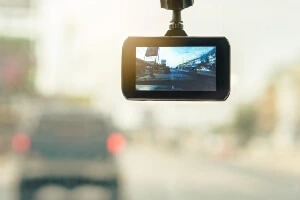 Dashcam footage can be a powerful tool for helping investigators determine fault after a Maryland car accident. Especially in complex crash cases, video footage may often provide clear visual evidence that is hard to dispute.
Yes. Dashcam footage can help prove fault if it clearly shows how the crash happened and is properly preserved, authenticated, and legally obtained. However, because the footage may also be used against you, it is best to have a lawyer review it before sharing it with the insurance company or other parties.
At Peter T. Nicholl, our experienced car accident lawyers in Baltimore, MD know how to collect, preserve, and leverage dashcam footage to maximize your compensation after a Maryland car crash.
Need legal help after a car crash in Baltimore or elsewhere in Maryland? Our trusted law firm helps injured victims every day, and we’d like to help you too. There is no risk in calling our firm, as your initial consultation is completely free.
Request your FREE case review today. Call: 410-244-7005
Does Maryland Allow Drivers to Use Dashcams in Their Vehicles?
Yes, Maryland law permits drivers to install and use dashcams with certain vehicle privacy-related restrictions. Maryland law requires all parties to consent to audio recording captured inside the vehicle because it is a two-party consent state. Dashcams that record audio inside the car should be used with caution or with the audio function disabled unless all passengers are aware they are being recorded.
Mounted Dashcams Must Not Obstruct the Driver’s View
For Maryland drivers, dashcams must be mounted so that they do not obstruct the driver’s view through the windshield. Many drivers install them on the dashboard or behind the rearview mirror. State law permits a maximum 5-inch square obstruction on the driver’s side and an 8-inch square obstruction on the passenger side of the front windshield.
Is Dashcam Footage Admissible as Evidence in a Maryland Court Case?
Yes, Maryland courts generally admit dashcam footage as evidence if it is legally obtained and authenticated. Maryland courts recognize video evidence as potentially valuable in establishing fault in car accident cases, with judges typically allowing dashcam recordings that clearly show the circumstances and events leading to a collision.
For dashcam evidence to be accepted in Maryland courts, it must be properly preserved in its original format, have a clear chain of custody documented, and be authenticated by someone who can verify its accuracy. Working with an experienced Peter T. Nicholl attorney is crucial, as they understand the requirements for introducing electronic evidence and can effectively counter any objections from the opposing side about the footage’s reliability or relevance.
Can My Dashcam Footage Be Used Against Me After a Car Crash in Maryland?
Yes, dashcam footage can potentially be used against you in Maryland.
Insurance companies and opposing attorneys can subpoena your dashcam recordings during the discovery process. Once they have this footage, they will review it to see if it shows evidence that you were partially or fully at fault for the accident.
Be sure you seek legal help before discussing the footage or other accident details with the insurance company or other parties.
Why Have a Lawyer Review Your Footage and Manage Your Claim in Maryland
Maryland’s contributory negligence rule means that even slight evidence of shared fault could completely bar your ability to recover medical costs, lost wages and other damages. Insurance companies use the state’s negligence rule as leverage to reduce or minimize what they have to pay out on a claim.
To help protect your claim, make sure your lawyer is the first to see any available video footage.
At The Law Offices of Peter T. Nicholl, our legal team can properly authenticate your recording, help you preserve it to ensure it is admissible in court, and dispute unfair attempts by the insurance company to shift blame.
What If the Other Driver Has Dashcam Footage That Could Help My Car Accident Claim?
If the other driver has dashcam footage that could help your car accident claim, your attorney can request this footage through formal legal channels. This includes document requests, depositions, or subpoenas that can compel the other driver or their insurance company to preserve and produce any relevant recordings.
Do not delay seeking legal help. Dashcam footage, especially if recorded by someone else, may be automatically overwritten without a legal request to preserve it.
How to Properly Preserve and Maintain Your Dashcam Evidence After a Crash
Preserving your dashcam footage, along with other evidence, is something your attorney can help you with.
The general process for preserving and handling dashcam footage begins at the accident scene.
- Download and Back up Footage: Store multiple copies of the footage in secure locations, including cloud storage, external hard drive, or emailing it to yourself.
- Maintain the Original File Format and Resolution: Compressing the video might degrade quality.
- Document Dashcam Details: Document the dashcam’s make, model, and technical specifications for authentication purposes.
- Take Photos of Your Mounted Dashcam: Take photos of how your dashcam was mounted to establish its viewing angle
- Create a Written Log: The log should begin from when the dashcam stops recording. Note the time and date the footage was downloaded and by whom.
- Do Not Edit or Alter the Footage: Any modifications or edits you do to alter the footage will likely render it null, void and inadmissible as evidence.
- Let Your Attorney See the Footage First: Contact an attorney before sharing dashcam footage with the insurance company or any other parties.
- Collect Witness Contact Details: Get the name and other contact information of any witnesses to the crash.
Other Types of Video Footage That May Support Your Claim
There may be other video sources that captured your car accident and could strengthen your claim. A traffic camera may have captured events leading up to the collision at a different angle, for example. When available, additional video footage could reveal further details about how the crash occurred and who may be liable.
- Traffic camera footage from Maryland Department of Transportation devices at major intersections
- Business security cameras facing roadways near the accident location
- ATM or bank cameras that may have recorded the collision
- Residential doorbell cameras or home security systems with road views
- Transit bus onboard cameras if public transportation was nearby
- Police body cameras from responding officers at the scene
- Witness smartphone recordings taken immediately after the crash
- Construction site security cameras in work zones
- Gas station or convenience store surveillance systems
- Parking garage security footage if the accident occurred nearby
Frequently Asked Questions About Dashcam Footage and Car Crash Liability
Can dashcam footage help prove car crash liability?
Yes, dashcam footage can help prove liability by showing how the crash happened, which driver had the right of way, and whether traffic laws were violated. Video evidence may support negligence, causation, and damages when it aligns with police reports, witness statements, and medical records. The Law Offices of Peter T. Nicholl can evaluate how footage may support a Baltimore car accident claim.
What should dashcam footage show to support an injury claim?
Dashcam footage should show the moments before, during, and immediately after the collision. Useful footage may capture speed, lane position, braking, traffic signals, road conditions, impact force, or unsafe driver behavior. This evidence can help connect the crash to liability and support the injury claim when paired with medical documentation.
Can dashcam video be used if the other driver denies fault?
Yes, dashcam video may help challenge the other driver’s denial of fault. Footage can show unsafe conduct such as running a red light, following too closely, drifting lanes, distracted driving, or failing to yield. The Law Offices of Peter T. Nicholl can review whether the video contradicts insurer or driver statements.
Can dashcam footage prove distracted driving?
Yes, dashcam footage can help prove distracted driving if it shows delayed braking, lane drifting, failure to react, or visible phone use. The legal issue is whether the distraction caused or contributed to the crash. Video evidence may be especially useful when combined with phone records, witness statements, or vehicle data.
Should I preserve dashcam footage after a car accident?
Yes, you should preserve dashcam footage immediately after a car accident because some devices automatically overwrite older recordings. Preserving the original file can help avoid disputes about authenticity, edits, or missing context. The Law Offices of Peter T. Nicholl can help determine whether additional video from nearby cameras should also be requested.
Can dashcam footage hurt my car accident claim?
Yes, dashcam footage can hurt your claim if it shows unsafe driving, delayed reactions, speeding, distraction, or facts that conflict with your account. Insurance companies may use video to challenge liability, injury severity, or credibility. Reviewing footage before providing it can help identify potential issues in the claim.
What if dashcam footage only shows part of the crash?
Partial dashcam footage may still be useful if it captures important details before or after the collision. The missing portion may need to be supplemented with police reports, witness statements, photos, vehicle damage, medical records, or expert analysis. The legal value depends on whether the video helps prove fault, causation, or damages.
Can dashcam footage support compensation for serious injuries?
Yes, dashcam footage can support compensation by showing the severity of the collision and the negligent conduct that caused it. While video alone does not prove the full extent of injuries, it can strengthen the liability portion of the claim. Medical records, treatment history, and work restrictions are still needed to document damages.
Need Legal Advice? Contact Our Trusted Law Firm Today
At The Law Offices of Peter T. Nicholl, our experienced attorneys are here to help you after a crash caused by another driver’s negligence. Our legal team knows how to handle available footage, along with other evidence from your car crash, to build the strongest possible case on your behalf.
If you were injured in a Baltimore car crash and we represent you, we have the staff and resources to aggressively seek the compensation you deserve. There are no upfront costs to pay to engage our services or throughout the legal process.
Contact us today to learn how we can help. Alternatively, you can complete our online case evaluation form to have one of our knowledgeable attorneys call you.
Experienced Lawyers. Proven Results. Call: today 410-244-7005
Related Resources
- Evidence to Strengthen a Car Accident Claim
- Accident Reconstruction for a Car Crash Claim
- Expert Witnesses for Car Crash Cases

