



Blog
When Might Surgical Errors Rise to the Level of Medical Malpractice?
Filed under Medical Malpractice Published on December 8, 2022 and updated on July 20, 2026.
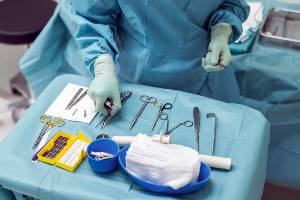 Surgery is always risky, even if doctors say it is a minor procedure. There are many things that could go wrong and cause you to suffer serious injuries. There are also times when surgeons or others in the operating room are negligent and engage in medical malpractice.
Yes. Surgical errors qualify as medical malpractice when a surgeon or surgical team fails to meet the accepted standard of care during a procedure. Liability arises when mistakes such as operating on the wrong site, leaving instruments inside the body, or causing avoidable injury directly result in patient harm.
If you underwent surgery and surgical errors occurred, you may be able to take legal action to recover compensation for damages. Contact the Baltimore medical malpractice attorneys at our law firm to discuss potential legal options. There are no upfront fees for our services, and we have the resources and experience to build a robust case.
Peter T. Nicholl Law Offices. Experienced Lawyers. Proven Results. 410-401-9979
Surgical Errors That Often Occur
Surgical errors are mistakes made during a surgical procedure. Even though surgery is risky, many of these errors are preventable. In other words, these errors could have been avoided if medical professionals had been more careful and exercised more caution.
Some of the most common surgical errors that could lead to medical malpractice cases include:
Operating on the Wrong Body Part/Performing the Wrong Procedure
This is a particularly egregious error that may result from mistakes made when filing paperwork or confusion in in the operating room. If doctors operate on the wrong body part or do the wrong procedure, the patient’s medical issues cannot be dealt with. There is also a risk of doing damage to a perfectly healthy part of the patient’s body.
Doing Surgery on the Wrong Patient
This is like the error mentioned above. Somehow, confusion caused doctors to operate on the wrong patient. This exposed the patient to unnecessary risk, particularly if an invasive procedure was performed.
Leaving Things Inside Patients
Doctors could leave tools, sponges, gauze or other items inside patients. This could cause an infection and/or damage to the surrounding tissues.
Operating With Unclean Equipment
If doctors use tools that are unclean, patients could develop an infection, particularly if doctors damage surrounding organs or tissues.
Failing to Identify and Respond to Complications During Surgery
Problems can arise during a surgical procedure. For example, a patient may have a reaction to anesthesia or his or her blood pressure or other vital signs may spike. Surgeons need to be prepared for problems to happen and they need to respond appropriately to protect the patient from harm.
Failing to Properly Monitor a Patient After Surgery
After surgery is done, doctors need to monitor patients to see if there are any complications, such as infections or excessive bleeding. If doctors do not monitor patients and respond appropriately, serious injuries may result.
Why do Surgical Errors Happen?
There are many reasons why surgical errors may occur. For example, the surgeon may have done a poor job of planning the procedure. He or she may have been unprepared for issues that came up during surgery, such as reactions to anesthesia or excessive bleeding.
Sometimes doctors know how to respond to complications, but they do not have the equipment and other materials they need to respond appropriately.
Some of the other reasons why surgical errors may occur include:
Poor Communication in the Operating Room
Nurses and others involved in preparing a patient for surgery may have failed to get a complete medical history from a patient. This can lead to medication errors and allergic reactions to anesthesia.
Poor communication could also lead to operating on the wrong patient or performing the wrong procedure.
Use of Alcohol or Other Drugs
Dependence on drugs or alcohol could also cause errors to occur during surgery.
Lack of Qualifications
It is possible for doctors to be performing surgery when they are not qualified to be doing so.
Fatigue
Doctors often work long hours, and they may be fatigued when operating on a patient. This could lead to doctors damaging surrounding tissues and organs during the procedure. Doctors might not respond appropriately to complications because they are tired.
Injuries That May Happen Because of a Surgical Error
Surgical errors can be incredibly dangerous because patients’ lives may be at risk. Damage to internal organs could prevent them from functioning appropriately. If this happens, patients could end up in critical condition and need additional surgery to repair the damage. Additional surgery puts patients at risk for infections, excessive bleeding and other complications.
Infections can also happen because of surgical errors. Infections can be incredibly dangerous, particularly when they spread. Patients may need invasive surgery to remove the infection and long-term treatment to fight off the infection. Another problem to consider is that
Some of the other injuries that may result from surgical errors include:
- Excessive or uncontrollable bleeding
- Damage to nerves
- Permanent scarring
- Permanent disability
When Does a Surgical Error Become Medical Malpractice?
It is important to note that every surgical error does not rise to the level of medical malpractice. For example, if an error does not cause an injury that results in damages, there is no case.
Even if you suffer a significant injury because of a surgical error, you must prove the doctor’s conduct did not meet the accepted standard of care for the situation. In other words, the doctor did not act as a similarly-trained medical professional would have in a similar situation.
Typically, if the error was avoidable and was not an acceptable risk of the surgery, it may be medical malpractice. For example, a surgeon leaving something inside of you is not an acceptable risk of surgery. Patients expect doctors to take reasonable steps to help prevent an infection, such as by sterilizing equipment and tools.
Patients also expect doctors to have the proper training and qualifications to perform surgery and respond to problems and complications that may arise.
Proving that you did not receive care that meets accepted medical standards is a complex task, which is why attorneys need to bring in medical experts.
Frequently Asked Questions About Surgical Errors in Baltimore
When is a surgical error considered medical malpractice?
A surgical error may be considered medical malpractice when a preventable mistake causes injury because the surgeon or surgical team failed to meet the accepted standard of care. Liability may involve wrong-site surgery, organ damage, poor monitoring, retained objects, or failure to respond to complications. The Law Offices of Peter T. Nicholl can review whether the injury was avoidable.
Is every surgical complication malpractice?
No, not every surgical complication is malpractice. A claim requires proof that the complication resulted from negligence, not from a known risk that occurred despite proper care. The legal issue is whether the surgical team acted reasonably before, during, and after the procedure.
What types of surgical mistakes can support a malpractice claim?
Surgical mistakes that may support a claim include operating on the wrong site, injuring organs or nerves, leaving surgical items inside the body, anesthesia errors, infection control failures, and failure to manage bleeding. The claim must show that the error caused harm beyond the expected risks of surgery. The Law Offices of Peter T. Nicholl can evaluate the operative records.
Can a surgeon be liable for nerve or organ damage during surgery?
Yes, a surgeon may be liable if nerve or organ damage resulted from conduct below accepted surgical standards. Liability depends on whether the injury was an unavoidable complication or a preventable error caused by poor technique, planning, monitoring, or response. Expert review is often needed to determine whether the damage should have been avoided.
What evidence helps prove a surgical malpractice case?
Important evidence may include operative reports, anesthesia records, imaging, surgical consent forms, nursing notes, pathology reports, post-operative records, and follow-up treatment documentation. These records can show what happened during surgery and whether the surgical team met the standard of care. The Law Offices of Peter T. Nicholl can review whether the evidence supports causation.
Can post-surgical complications be caused by negligence?
Yes, post-surgical complications may be caused by negligence if providers failed to monitor, diagnose, or treat warning signs after the procedure. Problems such as infection, internal bleeding, blood clots, sepsis, or worsening pain may require timely intervention. Liability may depend on whether delayed response caused additional injury.
What damages may be available after surgical malpractice?
Damages may include additional surgeries, hospitalization, rehabilitation, lost income, pain and suffering, disability, scarring, infection-related harm, and future medical care caused by the surgical error. The claim must connect those losses to negligent care rather than the original condition alone. The Law Offices of Peter T. Nicholl can help evaluate the long-term impact.
When should I contact a lawyer about a surgical error?
You should contact a lawyer promptly if surgery caused unexpected injury, required corrective treatment, involved a serious complication, or left questions about what happened in the operating room. Surgical malpractice claims are time-sensitive and often require expert review of records. The Law Offices of Peter T. Nicholl can determine whether the facts support a claim.
Call Peter T. Nicholl Law Offices Today to Discuss Your Malpractice Claim
Medical malpractice claims are some of the most complex personal injury claims that can be filed. Before a lawsuit can even be filed, victims must submit a statement from an expert who says there is a valid claim. Proving malpractice occurred is a complex task that requires detailed evidence.
That is why you need an experienced lawyer managing your case, one that has helped medical malpractice victims before and been successful. At The Law Offices of Peter T. Nicholl, our firm has obtained millions on behalf of victims of medical malpractice.
Have questions about a malpractice claim? Call today: 410-401-9979.
Related Resources
- Wrong-site surgery and malpractice liability
- Post-operative care errors and malpractice claims
- How the standard of care applies in malpractice cases

