



Blog
Is It Medical Malpractice if a Patient Falls at the Hospital?
Filed under Medical Malpractice Published on June 5, 2024 and updated on July 20, 2026.
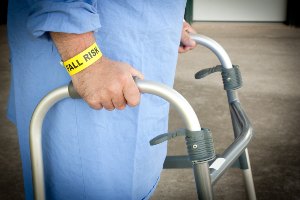 When a patient falls at a hospital, sometimes the hospital can be held liable. This is usually the case if conditions at the hospital led to the patient’s fall and injury, and the hospital is found negligent for not taking appropriate measures to prevent the incident.
On This Page
Can you sue a hospital for a fall injury in Baltimore?
Yes. If a hospital or medical provider failed to take reasonable precautions to prevent a fall—such as properly monitoring a patient, addressing hazards, or managing medications—and that failure caused injury, you may have a valid medical malpractice or negligence claim. The Law Offices of Peter T. Nicholl can evaluate your legal options.
Our Baltimore medical malpractice lawyers at The Law Offices of Peter T. Nicholl discuss common causes for hospital falls, the difference between negligence and medical malpractice, and what patients can do if they have suffered a fall.
If you or a loved one suffered an injury from a hospital fall, you may be able to seek compensation. We have secured millions in compensation for our clients who have been the victim of medical malpractice. We offer a free, no obligation legal consultation to discuss your claim.
Free initial consultation. No upfront fees. Contact us today: 410-297-0271.
Why Do Some Patients Fall at the Hospital?
There are several explanations for why a patient falls at a hospital:
Patient Misjudgment or Error
If you are not paying attention or you misjudge your ability to walk safely, you could miss a sign, trip or lose your footing. Something as simple as a distracting conversation between you and the person walking beside you could cause you to skip the last step on a flight of stairs or slip and fall in some other way.
You also need to be careful walking after taking a medication that could cause dizziness. You could become disoriented and lose your balance.
Lack of Communication
If the nurse fails to explain the possible side effects of a medication, or instructs you to stay in bed and call for assistance if you need to get up, you may not realize the danger of walking. This puts you at a higher risk of falling and suffering severe injuries.
Incompetent Medical Staff
Nurses and other medical staff must take adequate precautions to protect patients who may be at risk of falling.
For example, if an illness affected your breathing, your nurse or therapist may assist you in doing short walks throughout the hospital and gradually lengthen them to help you build up your endurance. In some situations, patients may need to use a walker or crutches.
Poor training or incompetence could result in the nurse using inadequate equipment or failing to take other precautions.
Hazards
Spills, leaks, tripping hazards, damaged stairs and railings, uneven floors and improperly signed or quartered off danger zones are some common hazards that can lead to a fall.
Serious Injuries Caused by Falls
Falling at a hospital could cause minor bumps or bruises or more severe injuries, like:
- Broken bones/fractures: If you fall, you usually fall onto your hands and knees, back or hip. As you age, your bone strength generally weakens, making you more susceptible to breaking a wrist, hip, leg or other body part during such a fall. But a broken bone may require more than a simple cast for several weeks. Only half of those who suffer a hip bone break or fracture are able to regain the ability to live on their own. And if you go long enough without moving, this type of injury could cause blood clotting in your legs or lungs.
- Spine and nerve damage: Landing awkwardly on your back could seriously damage your spine and/or nerves. The blow from the fall can knock vertebrae out of alignment, causing a slipped disc, crushed nerve or paralysis.
- Traumatic brain injuries (TBIs): Many falls can result in hitting your head on the floor or ground. The impact, especially when on a hard surface like tile or concrete, can cause serious damage to your skull and brain. A TBI ultimately affects how your brain functions, sometimes causing temporary or permanent memory loss, or even cognitive disabilities.
How Medical Malpractice Could Cause a Fall
Here are a few of the ways patients could suffer a fall due to medical malpractice. If you think medical malpractice was involved in your fall, contact our firm to discuss potential legal options.
Misdiagnosis
If your doctor misdiagnoses your injury, ailment or condition, you could unknowingly be putting yourself in harm’s way.
This might happen if you have multiple sclerosis, which causes the protection around the nerves in your spinal cord and brain to deteriorate. This can cause weakness and loss of coordination and movement. If your doctor misdiagnoses your multiple sclerosis, without proper treatment, you could fall and get seriously hurt if you are on your feet and do not realize the danger.
Prescribing the Wrong Medication
If a doctor at a hospital prescribes you the wrong medication, improper dose or one that has a harmful interaction with other drugs you are taking, you could become weak, confused or dizzy. Your weakness or impaired coordination can cause you to fall.
Assessment/Monitoring Errors
Patients must be monitored and assessed before their doctor clears them to be released from the hospital. If your doctor fails to monitor or assess your condition, you may be discharged too soon. For example, if you are released too soon after suffering a concussion you could become dizzy, confused or light-headed as you walk. A subsequent fall could make your head injury much worse.
FAQs About Hospital Fall Injury Claims in Baltimore
Can a hospital be held responsible for a patient fall in Baltimore?
Yes. A hospital may be held responsible if staff failed to take reasonable precautions to prevent a fall, such as properly monitoring a patient, addressing known hazards, or following established safety protocols.
What is the difference between negligence and medical malpractice in a hospital fall case?
Negligence generally involves unsafe conditions, such as spills or broken equipment, while medical malpractice involves a failure by healthcare providers to meet the accepted standard of care, such as improper monitoring or medication errors.
What types of evidence are important in a hospital fall claim?
Key evidence may include medical records, incident reports, staff notes, surveillance footage, witness statements, and expert analysis showing how the fall could have been prevented.
Can medication errors lead to hospital fall injuries?
Yes. Incorrect medications, improper dosages, or dangerous drug interactions can cause dizziness, confusion, or loss of coordination, increasing the risk of a fall.
Are hospitals required to assess a patient’s fall risk?
Yes. Hospitals are expected to evaluate patients for fall risk and implement appropriate safety measures, such as assistance with mobility, monitoring, or the use of support devices when needed.
What injuries are commonly associated with hospital falls?
Hospital falls can lead to serious injuries such as fractures, spinal damage, traumatic brain injuries, and long-term mobility issues, particularly in older or vulnerable patients.
Can a patient still have a case if they contributed to their fall?
Possibly. Even if a patient made an error, a claim may still exist if the hospital failed to provide proper supervision, warnings, or safety measures that could have prevented the incident.
What should you do after a hospital fall injury in Baltimore?
Seek medical attention immediately, report the incident to hospital staff, document what happened, and consult a Baltimore medical malpractice attorney to evaluate whether negligence or malpractice played a role.
Visit Our Baltimore Location
Injured by a Hospital Fall? Call Today for Legal Help
If you believe medical malpractice caused your hospital fall and injury, it is very important to consult an experienced attorney to determine if you may have a case. At The Law Offices of Peter T. Nicholl, we have extensive knowledge of medical malpractice laws and what it takes to prove a breach of the standard of care.
We do not charge legal fees or costs unless you receive compensation. The initial legal consultation is also free of charge.
Millions recovered. No upfront costs. Call today: 410-297-0271.
Related Resources
- When a Hospital Can Be Liable for Medical Malpractice
- What Is the Standard of Care in a Medical Malpractice Case?
- Why Expert Testimony Is Critical in Medical Malpractice Cases

