



Blog
How Could Medical Malpractice Cause a Spinal Cord Injury?
Filed under Medical Malpractice Published on April 24, 2024 and updated on July 20, 2026.
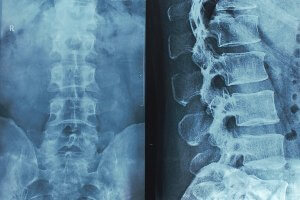 Many severe spinal cord injuries are caused by blunt force trauma, such as from a car crash or fall, but some may occur during medical treatment. For instance, doctors could misdiagnose an injury or make a surgical error. Sometimes these issues may rise to the level of medical malpractice.
Yes. A spinal cord injury can result from medical malpractice when a provider’s error, such as surgical mistakes, delayed diagnosis, or improper treatment, causes preventable harm. Liability arises when the provider breaches the standard of care and that failure directly leads to permanent neurological damage or loss of function.
Below, our experienced attorneys discuss examples of medical malpractice that might result in a severe spinal cord injury. We also explain when you might be able to file a medical malpractice lawsuit after suffering a spinal cord injury.
If you have questions about your legal options after a medical malpractice injury, call our medical malpractice lawyers in Baltimore. Your initial legal consultation is free, and we do not get paid unless our clients receive compensation.
Millions recovered for our clients. No upfront fees. Call us at: 410-297-0271.
Forms of Medical Malpractice That Could Cause Spinal Cord Damage
Many people go to hospitals for treatment of spinal cord injuries, but some patients suffer damage to their spinal cord during their treatment. Below are some examples of medical malpractice that could result in painful or life-changing spinal cord injuries.
If you have reason to believe your spinal cord injury was caused by medical malpractice, call our law firm to review possible legal options. Our lawyers may be able to secure compensation on your behalf.
Misdiagnosis of a Spinal Cord Injury
Misdiagnosis could delay treatment for herniated discs, spinal stenosis, spinal abscess, meningitis or compression fractures. Delayed treatment of spinal cord injuries could cause irreversible nerve damage and loss of motor function below the site of the injury.
Another problem with misdiagnosis is doctors could start treatment for the wrong illness. Receiving the wrong treatment could make your true injury worse and put you at risk for secondary complications like infections or excessive bleeding.
Doctors may have been able to prevent this devastating outcome by performing surgery or prescribing physical therapy earlier in the treatment process.
Misdiagnosis is often caused by failing to spot an injury through diagnostic tests or mistaking one illness for another.
Surgical Errors
Surgery is often a necessary but dangerous medical intervention. You have probably heard the expression that there is no such thing as routine surgery. This statement is particularly true with surgery on or around the spinal cord, as one mistake could cause a life-altering injury.
These are some examples of surgical errors that could damage the spinal cord:
- Operating on the wrong section of the spine
- Severing nerves
- Incorrectly placing screws, plates or other hardware
- Failing to identify and promptly respond to complications, like excessive bleeding
- Leaving surgical instruments inside the body
- Improper technique leading to spinal fluid leakage or dural tears
- Damaging the spinal cord during a lumbar puncture/spinal tap, such as by improper positioning of the patient
Failure To Monitor
Doctors must closely monitor patients with spinal cord injuries to spot signs of complications, such as respiratory issues, blood clots, deteriorating neurological function or increased spinal compression. If doctors identify these issues quickly, they can respond and possibly prevent serious injuries.
Doctors not only need to monitor patients after surgery, but throughout their treatment.
Anesthesia Malpractice
Doctors must be cautious when administering epidural anesthesia, as they are injecting drugs into the space around the spinal cord. This procedure is often done during childbirth or when doctors are operating on patients’ lower bodies (legs, abdomen, rectum, pelvis, etc.). Anesthesia errors during an epidural could cause catastrophic damage to the spinal cord.
Additionally, improper dosing can cause hypotension (low blood pressure), which may result in inadequate blood flow to the spinal cord.
Emergency Room Malpractice
Emergency rooms can get hectic, causing doctors to rush through evaluations and make poor decisions. For example, doctors could misdiagnose a spinal cord injury or discharge someone too quickly. Sometimes treatment is delayed longer than it should have been. For example, doctors may have needed to immobilize a patient with a possible spinal fracture.
How Do I Know if My Situation Rises to the Level of Medical Malpractice?
The question is whether your doctors breached an accepted standard of care, and if so, did that breach directly cause your injuries. There is no case unless you can establish these two things.
The standard of care is a relatively straightforward concept, but you need detailed evidence to prove the breach. This is where a medical expert comes in.
There is no way for victims to know for sure if they have a case. However, if you think your injury could have been avoided by doctors exercising greater care or responding more quickly, you should contact an experienced lawyer. This is especially true if you think doctors committed one of the examples of medical malpractice discussed in the section above.
Frequently Asked Questions About Spinal Cord Medical Malpractice in Maryland
Can a spinal cord injury be caused by medical malpractice?
Yes, a spinal cord injury may be caused by medical malpractice if a provider’s error, delay, or failure to follow accepted standards of care damages the spinal cord. Liability may involve surgical mistakes, delayed diagnosis, improper monitoring, or failure to respond to neurological symptoms. The Law Offices of Peter T. Nicholl can review whether the injury was preventable.
What medical errors can lead to a spinal cord injury?
Medical errors that may lead to a spinal cord injury include surgical negligence, anesthesia complications, delayed treatment of infection, failure to diagnose compression, or improper handling after trauma. A malpractice claim must show that the provider’s conduct fell below the standard of care and caused measurable harm. Medical records and expert review are usually required.
Can delayed diagnosis of a spinal cord problem support a malpractice claim?
Yes, delayed diagnosis may support a claim if warning signs of spinal cord damage were missed and the delay caused the condition to worsen. Symptoms such as weakness, numbness, loss of sensation, or bladder and bowel changes may require urgent evaluation. The Law Offices of Peter T. Nicholl can assess whether earlier treatment could have reduced the harm.
What evidence is needed in a spinal cord injury malpractice case?
Key evidence may include hospital records, imaging studies, operative reports, neurological exams, medication records, and timelines showing when symptoms appeared. This evidence helps determine whether the provider met the standard of care and whether the spinal cord injury was caused by negligence. Expert testimony is often needed to connect the medical error to the injury.
Can surgical mistakes cause permanent spinal cord damage?
Yes, surgical mistakes can cause permanent spinal cord damage if the spinal cord, nerves, blood supply, or surrounding structures are injured during a procedure. Liability may depend on whether the complication was a known risk or resulted from conduct below accepted surgical standards. The Law Offices of Peter T. Nicholl can examine operative records and post-surgical findings.
What damages may be available after a malpractice-related spinal cord injury?
Damages may include medical expenses, rehabilitation costs, lost income, reduced earning capacity, pain and suffering, disability, home modifications, and future care needs. In a malpractice case, these losses must be linked to the provider’s negligence rather than the underlying condition alone. Long-term medical and financial evidence is important for proving the full impact.
When should I contact a lawyer after a spinal cord injury in a medical setting?
You should contact a lawyer promptly if a spinal cord injury occurred after surgery, hospitalization, delayed diagnosis, or unexplained medical decline. Medical malpractice claims are time-sensitive, and early review helps preserve records, identify negligent decisions, and evaluate causation. The Law Offices of Peter T. Nicholl can review the treatment timeline for signs of malpractice.
Can a hospital be liable for a spinal cord injury caused by negligent care?
Yes, a hospital may be liable if its staff, policies, monitoring failures, or delayed response contributed to a spinal cord injury. Liability may involve nurses, physicians, technicians, or institutional failures that allowed neurological damage to worsen. The Law Offices of Peter T. Nicholl can evaluate whether the injury resulted from provider negligence, hospital negligence, or both.
Contact Us Today To Discuss Your Medical Malpractice Claim
We know medical malpractice victims have a lot of questions about what to do next. Calling an experienced lawyer with a history of results can be an important step.
At The Law Offices of Peter T. Nicholl, we have the legal knowledge and experience to guide you through each step of your legal journey, with no upfront costs. We understand the devastating impact a spinal cord injury can have on your physical and emotional health.
Our law firm is committed to securing full compensation for your past and future medical costs and other damages.
Call today: 410-297-0271. We may be able to help you during this difficult time.
Related Resources
- Medical malpractice claims involving nerve damage
- Failure to diagnose and misdiagnosis claims
- Expert testimony in Maryland medical malpractice cases

