



Blog
What Crash Victims Should Know About Fault for a Blind-Spot Crash
Filed under Car Accidents Published on April 29, 2022 and updated on July 20, 2026.
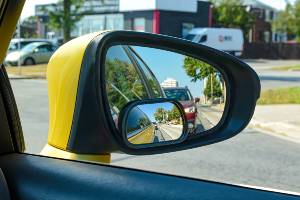 Every vehicle has blind spots, no matter how well drivers position their rear and sideview mirrors. Some vehicles, like semi-trucks have exceptionally large blind spots. Drivers who stay in blind spots too long risk getting into a dangerous crash that could result in severe injuries.
Who is at fault in a blind spot car accident in Maryland?
In most cases, the driver changing lanes is at fault for a blind spot accident. Maryland drivers have a legal duty to check mirrors, monitor blind spots, and ensure a lane is clear before merging or turning, and failing to do so can establish negligence and liability for resulting injuries.
Although drivers have a legal obligation to check their blind spots before changing lanes, drivers in blind spots could sometimes bear liability for a blind-spot crash. This is an important point in a state like Maryland, where crash victims who are even one percent at fault for a crash are barred from seeking compensation for damages.
It is important to note these situations are rare, despite the fact insurance companies may want you to believe otherwise. They have an interest in fault being split between various parties as it erases their financial liability for damages.
You should strongly consider discussing your blind-spot crash with a licensed Baltimore-based vehicle crash attorney. At The Law Offices of Peter T. Nicholl, we are committed to helping our clients recover the compensation they need to move forward after an unexpected accident.
What Does Maryland Law Say About Blind Spots?
Under state law, drivers are required to maintain their lane as nearly as it is practical. They are not allowed to change lanes or move from a shoulder or bikeway into a lane unless it is safe to do so. In other words, you cannot change lanes unless you have room to do so, and it will not result in a crash with another vehicle.
That puts much of the responsibility for avoiding a blind spot crash on the driver who is changing lanes, and for good reason. You have the right to be in a lane just as the driver in your blind spot has the right to be in a lane.
Drivers are also required to use their turn signals before changing lanes. That gives other drivers notice of your intention to make a lane change. Even though you are letting other drivers know you are changing lanes, they do not have much obligation to get out of your way. You are required to check your blind spots.
When Could a Driver in a Blind Spot be Found at Fault?
There may be rare situations when the driver in a blind spot could be found liable for a crash with another vehicle. These situations are rare, and it is important to talk to a licensed attorney about whether you may have a valid claim. If you were exercising caution and obeying traffic laws, it is unlikely you are partially at fault.
However, if you put on your turn signal, checked your blind spots, saw it was clear, made the turn and still hit another vehicle, the driver of that other vehicle may be at fault. The other driver had fair warning about your intention to change lanes. He or she may have moved into the lane next to yours at the last second or sped up and put himself or herself in harm’s way.
If you were driving at night and the vehicle in the lane next to yours did not have its headlights on, you may not have been able to see it. The driver of that vehicle may be partially at fault for driving with broken headlights or for failing to turn on his or her headlights.
If you changed lanes and were rear-ended by a driver who was speeding, he or she may be fully liable for damages for disobeying the speed limit.
Preventing a Blind-Spot Crash
There are practical steps drivers can take to avoid blind-spot crashes. Even though it is up to the driver changing lanes to check his or her blind spots, it is never a good idea to remain in another driver’s blind spot for too long.
It is always a good idea to be a defensive driver, which means using caution and not assuming the drivers around you will operate their vehicles safely. You cannot assume another driver will check his or her blind spots before changing lanes, as they often do not. When possible, slow down or change lanes to get out of another driver’s blind spots.
If you are preparing to change lanes, put on your turn signal, check your blind spot and be sure you will have enough time to safely change lanes without putting yourself at risk of a crash.
Before driving, adjust your mirrors to give you as much view of the sides of your vehicle as possible. If you have driver-assist technology that is meant to avoid a lane-change crash, make sure to use it.
FAQs About Blind Spot Car Crash Liability in Maryland
Who is liable for a blind spot car accident?
Liability usually falls on the driver who failed to check their blind spot before changing lanes, merging, or turning. Drivers have a duty to use reasonable care, including checking mirrors, signaling, and confirming that nearby lanes are clear before moving.
Can I sue if another driver hit me while changing lanes?
Yes, you may be able to sue if the other driver made an unsafe lane change and caused the crash. The claim would focus on whether the driver failed to check their blind spot, failed to signal, or moved into your lane when it was unsafe.
What evidence helps prove a blind spot accident claim?
Evidence may include police reports, vehicle damage photos, dashcam footage, traffic camera footage, witness statements, medical records, and insurance communications. The Law Offices of Peter T. Nicholl can review this evidence to determine whether the other driver’s unsafe lane movement caused the collision.
Can a driver blame a blind spot to avoid liability?
No, a driver generally cannot avoid liability simply by saying the other vehicle was in a blind spot. Blind spots are a known driving risk, and drivers are expected to check carefully before merging, changing lanes, or turning into another vehicle’s path.
What injuries are common in blind spot car crashes?
Blind spot crashes can cause neck injuries, back injuries, shoulder trauma, concussions, broken bones, and soft tissue injuries. Medical records are important because they connect the crash to the injury, treatment needs, lost wages, pain, and any long-term physical limitations.
Can I still recover compensation if I was partly at fault?
Maryland’s contributory negligence rule can prevent recovery if you are found even partly responsible for the crash. The Law Offices of Peter T. Nicholl can examine lane position, speed, signaling, witness accounts, and crash evidence to assess whether the insurer’s fault argument is supported.
When should I contact a lawyer after a blind spot accident?
You should contact a lawyer as soon as possible after a blind spot accident, especially if there are injuries, disputed fault, or insurance delays. Early legal action can help preserve evidence, identify witnesses, document damages, and protect the claim before filing deadlines apply.
How does The Law Offices of Peter T. Nicholl help with blind spot accident claims?
The Law Offices of Peter T. Nicholl can investigate how the blind spot crash happened, gather evidence, review medical documentation, and address disputed liability. These cases often turn on whether the other driver acted reasonably before changing lanes, merging, or turning into another vehicle.
Contact Us Today to Discuss Pursuing a Claim
For decades, the licensed attorneys at The Law Offices of Peter T. Nicholl have been assisting crash victims in their time of need. We know how insurance companies are looking to lowball crash victims at every turn. We have taken on many insurance companies and secured compensation for our clients.
There are no upfront fees for our services and no fees while we investigate and build your case. In fact, there are no fees unless we secure compensation for your damages.
Give us a call today. We are ready to help. Call 410-401-9979.
Related Resources
- Fault and Liability in Maryland Lane-Change Accidents
- Recovering Compensation After a Maryland Sideswipe Crash
- Evidence That Can Help Prove Driver Negligence

