



Blog
T-Bone Crashes and Why They Often Result in Catastrophic Injuries
Posted on behalf of Peter T. Nicholl in Car Accidents Published on December 23, 2025 and updated on January 30, 2026.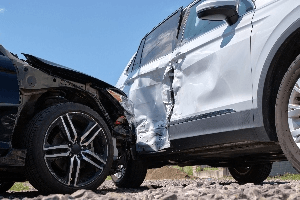 T-bone car accidents are one of the most severe types of collisions out there, often resulting in catastrophic, life-altering injuries. Many victims who survive these crashes may never fully return to their pre-accident state.
At The Law Offices of Peter T. Nicholl, our Baltimore car accident attorneys assist victims who have been injured in T-bone collisions and other serious car accidents. We are deeply committed to holding the at-fault drivers accountable and will work tirelessly to secure the maximum possible compensation for your losses.
In this blog, we look at why T-bone crashes often cause devastating injuries and highlight the most common driving errors that cause these side-impact collisions. Find out exactly when you should contact our Baltimore law firm after a car accident and how we protect your rights while guiding you through the recovery process.
What Is a T-Bone Car Accident?
A T-bone car accident gets its name from the shape of the vehicles when they collide. The front end of one vehicle hits the side of another vehicle, causing a “T” at the point of impact. T-bone crashes typically happen due to driver errors or negligence at intersections, such as a driver who fails to yield the right of way or ignores a red light.
Why Are T-Bone Car Accidents So Dangerous?
T-bone accidents are dangerous because the initial force of the impact hits the most vulnerable part of a vehicle: the side. Vehicle occupants have very little to come between them and the impact.
Most modern vehicles have reinforced structures in the front and back of a vehicle, along with areas called “crumple zones.” This protective framework absorbs much of the force of an impact when a vehicle gets hit head on or from the rear. But this type of structure does not exist on the side panel of a vehicle, so vehicle occupants take the full force of a side impact.
What Injuries Are Most Common in T-Bone Collisions?
Even at low speeds, a T-Bone crash can seriously injure a passenger seated on the side of the impact. The type and severity of a victim’s injuries in this situation often depend on the speed, exact angle of the impact, and where the person was seated.
Common injuries include:
- Concussions, traumatic brain injuries, or lacerations from hitting the interior of the car.
- Whiplash, cervical spine damage, or other neck injuries
- Broken ribs, collapsed lungs, or internal bleeding
- Internal organ damage or internal bleeding
- Knee injuries and fractured Limbs
- Bruises, sprains, and other soft tissue damage
What Key Factors Contribute to T-Bone Crashes?
T-bone accidents typically happen because a driver failed to follow traffic rules or misjudged traffic in an intersection. The most common contributing factors increasing the risk of a side-impact collision include:
- Failure to Yield: Drivers running stop signs or ignoring other right-of-way rules
- Running Red Lights: Blowing through a red light or trying to beat a yellow light
- Distracted Driving: Using phones, eating, or other kinds of distracted behavior
- Speeding: Reduces a driver’s reaction time while increasing the force at impact
- Poor Visibility: Bad weather, night driving, or obstructed views
- Driver Impairment: Alcohol or drug use affecting judgment
- Drowsy Driving: Fatigue reduces alertness and reaction time
Steps You Can Take to Avoid Being Involved in a T-Bone Crash
While some T-bone accidents are unavoidable, there are practical steps drivers can take to reduce the risk of being involved in these serious collisions:
Always Obey Traffic Signals: Stop completely at stop signs, don’t race to “beat the yellow,” and never run red lights.
Use Caution at Intersections: Slow down, look both ways, and anticipate other drivers’ actions.
- Wait a Split Second Longer at Intersections: Look and look again to check for drivers ignoring traffic signals or stop signs.
- Yield Your Right of Way: Yield to drivers who fail to stop — safety is always the priority.
- Avoid Distractions: Keep your eyes on the road and hands on the wheel — don’t text, eat, take photos, or get distracted by passengers while driving.
- Drive at Safe Speeds: Adjust speed for traffic, weather, and visibility conditions.
- Never Drive Impaired: Fatigue, alcohol, and drugs significantly increase the risk of collisions.
- Maintain Clear Visibility: Use headlights according to the law — such as low-light conditions and severe weather — and keep windows, mirrors, and windshields clean.
- Practice Defensive Driving: Always keep your eyes on the road, watch for the unexpected and be ready to react to other drivers’ mistakes.
Frequently Asked Questions About T-Bone Crashes
Q: What causes T-Bone car accidents?
T-bone accidents typically occur at intersections when a driver fails to stop, runs a red light, or doesn’t yield the right of way. Driver errors, including speeding, distracted driving, and drowsy driving also contribute to these dangerous collisions. T-bone crashes often result in catastrophic injuries for the person sitting on the side where the vehicle is struck.
Q: Who is usually at fault for a T-Bone car accident?
Fault for a T-bone car accident typically lies with the driver who failed to follow traffic signals or yield the right of way. In some cases, both drivers may share responsibility, depending on the circumstances. An attorney can help investigate the crash, collect evidence, and determine liability to ensure victims are fairly compensated.
Q: What is an example of a T-Bone car accident?
A common example occurs when one car runs a red light and strikes the side of another vehicle traveling through the intersection. Even at low speeds, these collisions can cause severe injuries, such as broken bones, head trauma, or internal injuries, especially for passengers seated on the impacted side.
Q: Can injuries be delayed after a T-bone car crash?
Yes. Some injuries from T-bone crashes — like internal bleeding, organ damage, or spinal trauma — may not be immediately noticeable. Prompt medical evaluation is critical to detect these hidden injuries and ensure proper treatment.
Q: How can I protect my legal rights after a T-bone crash?
Seek medical care immediately, do not admit fault to anyone — even if you think you may have contributed to the crash. We also recommend contacting a knowledgeable lawyer as soon as possible to ensure someone is protecting your legal rights. Your attorney can take immediate steps to preserve evidence before it gets lost, overwritten, or cleared away. Having legal help also helps you avoid missing deadlines or making mistakes that can damage your claim.
Need Legal Help After a T-Bone Crash in Baltimore? Call The Law Offices of Peter T. Nicholl
If you or a loved one were injured in a T-bone car accident, The Law Offices of Peter T. Nicholl is prepared to help. When you contact our law offices, we help you understand your rights, whether you may have a case, and guide you through the legal process.
Our highly qualified attorneys have extensive experience managing catastrophic car accident cases in Baltimore, including T-bone crashes. Our firm has a proven history of securing favorable outcomes for our clients.
Not sure if you have a case? Take the first step towards recovery today by requesting a FREE, no-risk case review. There are no upfront attorney fees or out-of-pocket costs to pay. We only get paid if you do.
Call our Baltimore law firm for a free case review today. 410-244-7005

